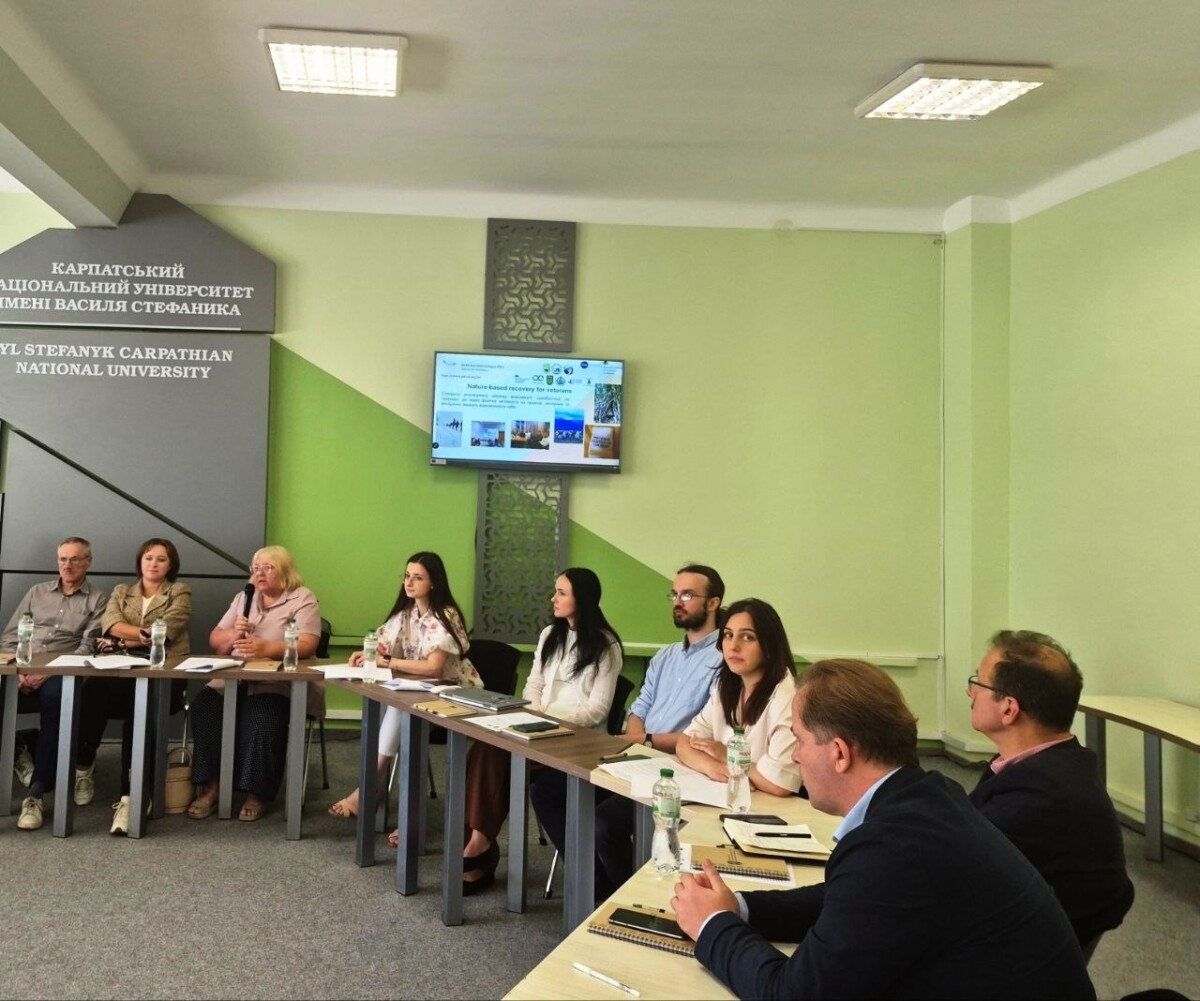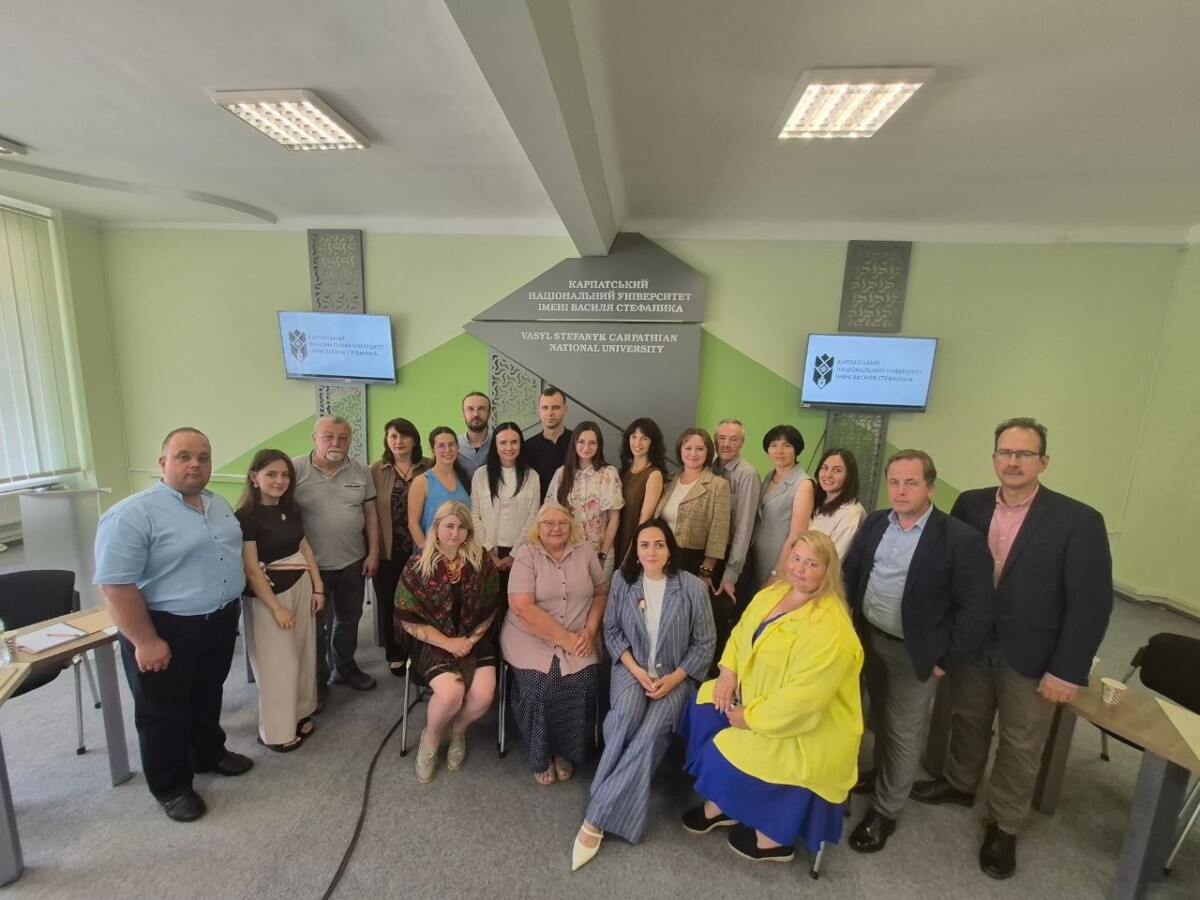
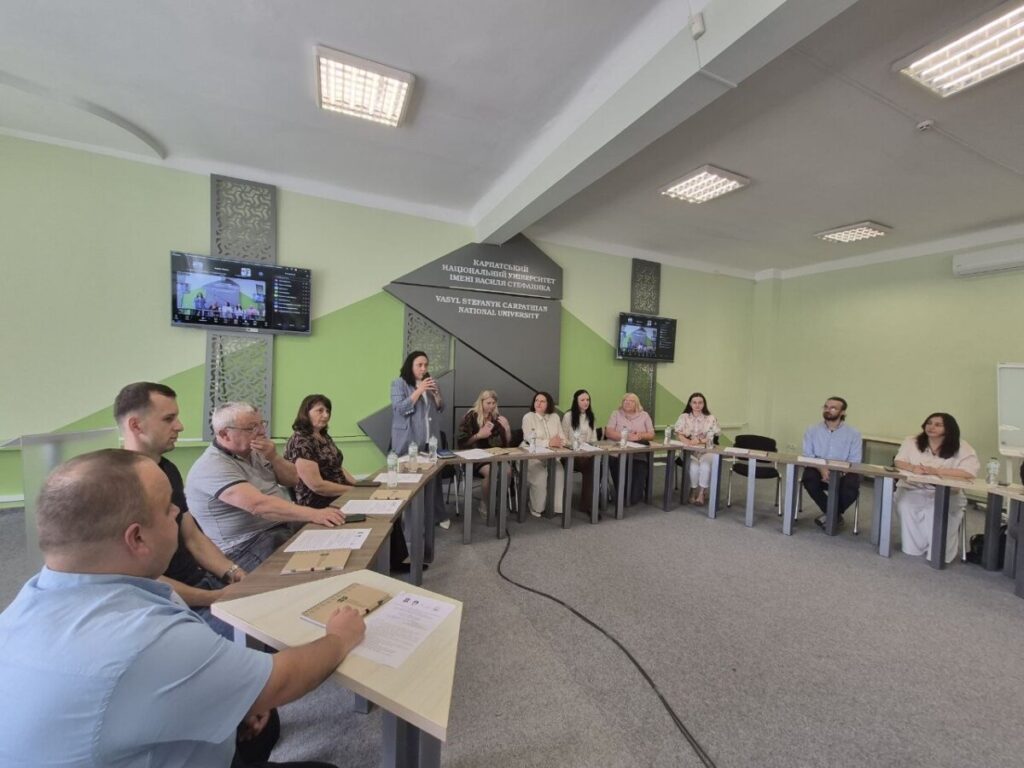
On 23–24 July 2026, the International Research Centre “Observatory” of the Vasyl Stefanyk Carpathian National University, in cooperation with the Department of Biology and Ecology, hosted a two-day interdisciplinary scientific and practical meeting entitled “Protected Areas in the Focus of Observation: Ecosystems, Methods, and Collaboration.” The event was held under the motto: Observe Change. Connect Knowledge. Act Together.
The meeting brought together researchers from various scientific disciplines, representatives of higher education institutions, members of the university partnership networks ConnectED and the Environmental Doctoral & Research Alliance (EDRA), as well as directors and specialists from protected area institutions.
Participants attending both in person and online included scholars from Vasyl Stefanyk Carpathian National University—Professor Viktoriia Hniezdilova, Head of the Department of Biology and Ecology, Associate Professors Viktor Klid, Roman Cherepanyn, Halyna Melnychenko, Tetiana Mykytyn, Uliana Semak, and Viktor Shparyk—together with researchers from the National University of Water and Environmental Engineering, Dnipro University of Technology, and Ivano-Frankivsk National Technical University of Oil and Gas.
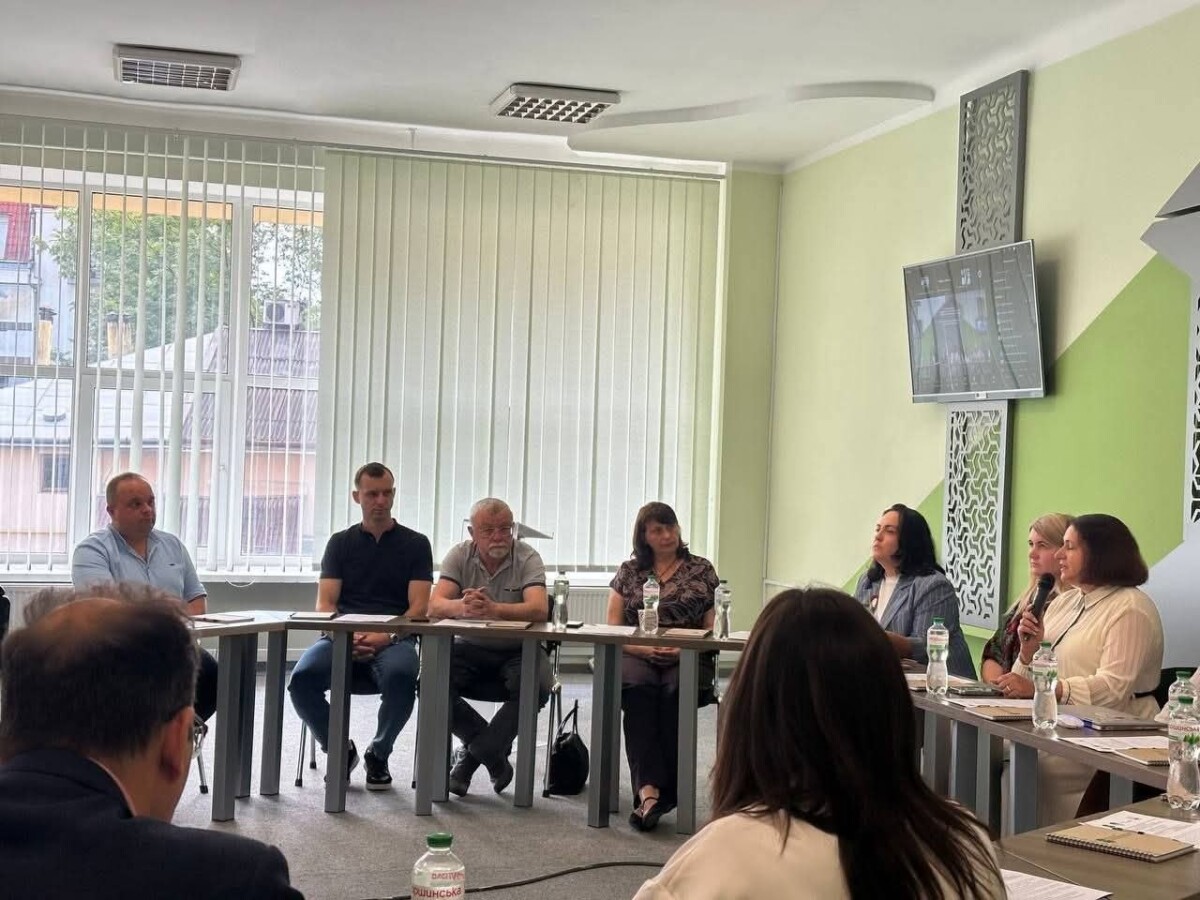
The event also welcomed representatives of protected areas in the Carpathian region, including Mykhailo Nechai, Director of Verkhovyna National Nature Park; Oleksandr Kyseliuk, Deputy Director of the Carpathian National Nature Park, together with members of his team; Iryna Dmytrash-Vatseba, Director of the Serhii Didych Dniester Regional Landscape Park; Oleh Haiduk, Director of Halych National Nature Park; as well as representatives of the Gorgany Nature Reserve and Hutsulshchyna National Nature Park.
Representatives of partner organisations also participated, including Vasyl Poluiko, President of the Western Ukrainian Resource Centre, and Mariia Fedoruk, Coordinator of the Ukraine Nature Network and Research Associate at HAW Hamburg.
The first day of the meeting took place at Vasyl Stefanyk Carpathian National University. Participants were welcomed by Professor Valentyna Yakubiv, Rector of the University, who emphasised the importance of interdisciplinary cooperation, inter-university partnerships, and the practical application of scientific research in addressing contemporary environmental challenges.
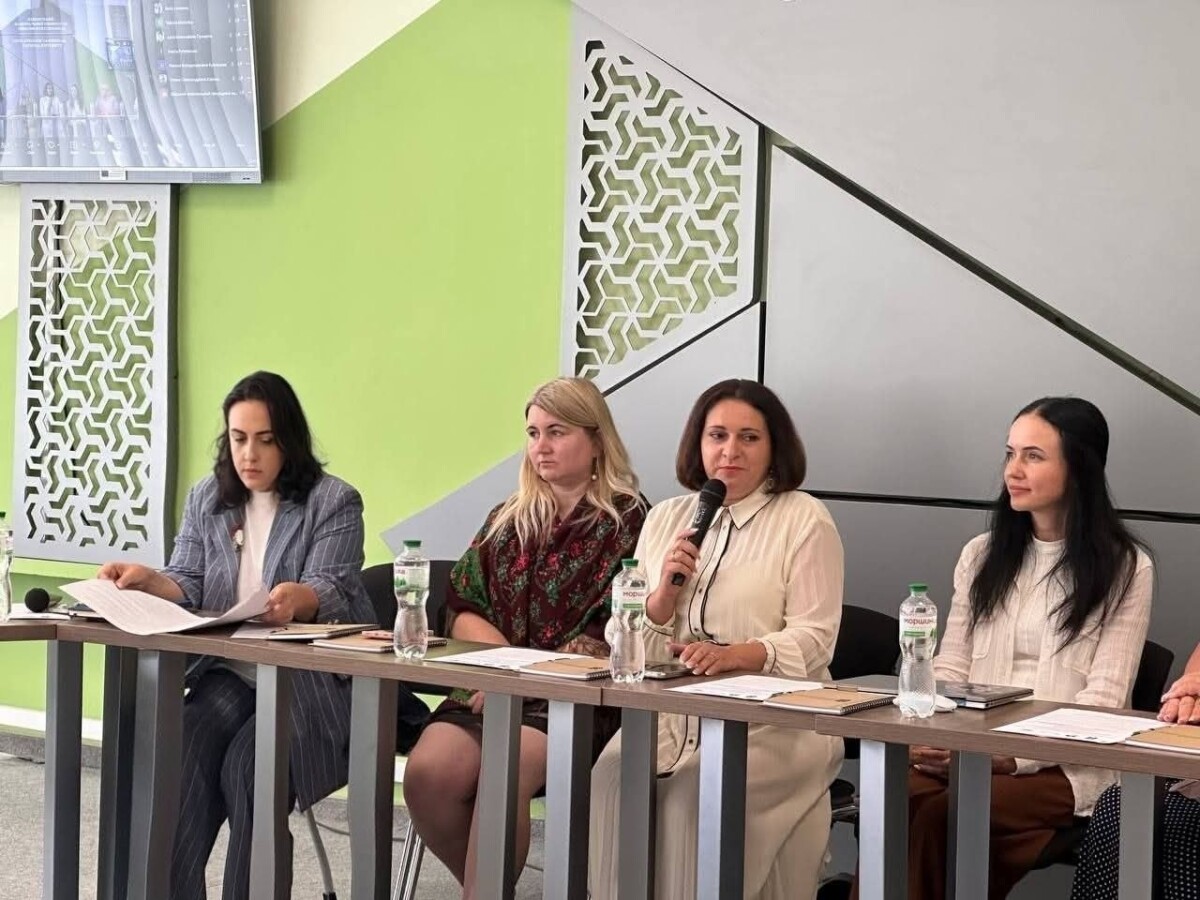
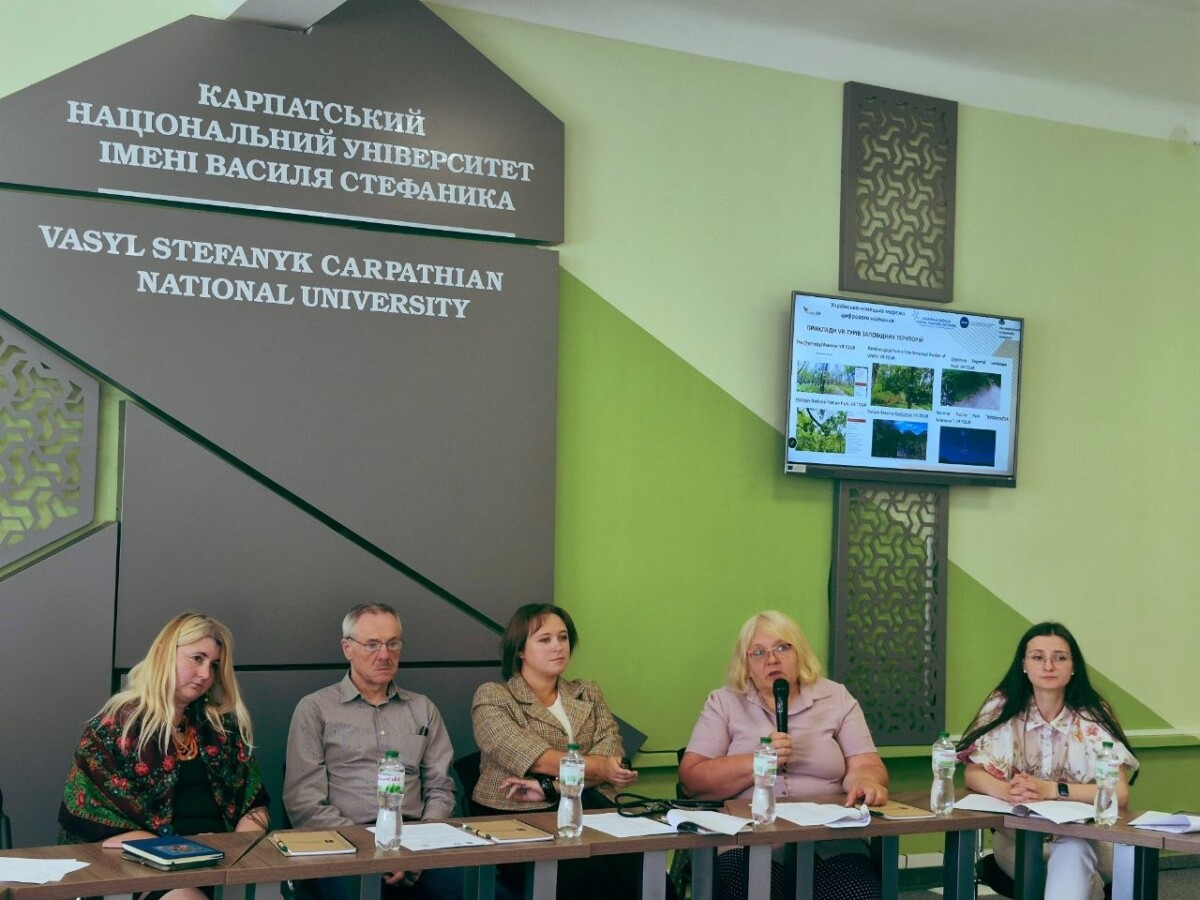
During the expert session, participants presented current approaches to ecological monitoring, biodiversity assessment, atmospheric research, and the study of forest, freshwater, and alpine ecosystems. Particular attention was given to the application of instrumental, biological, and digital methods in the work of protected area institutions.
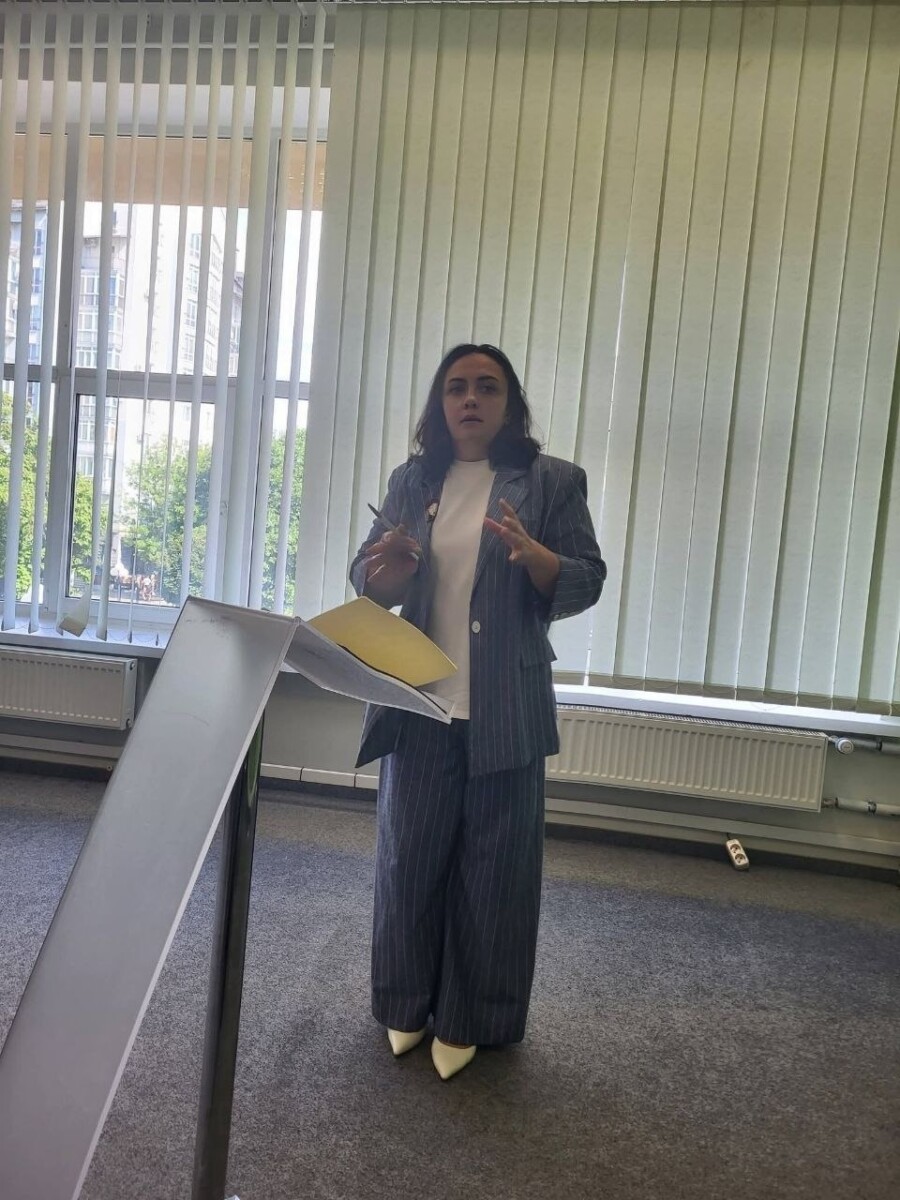
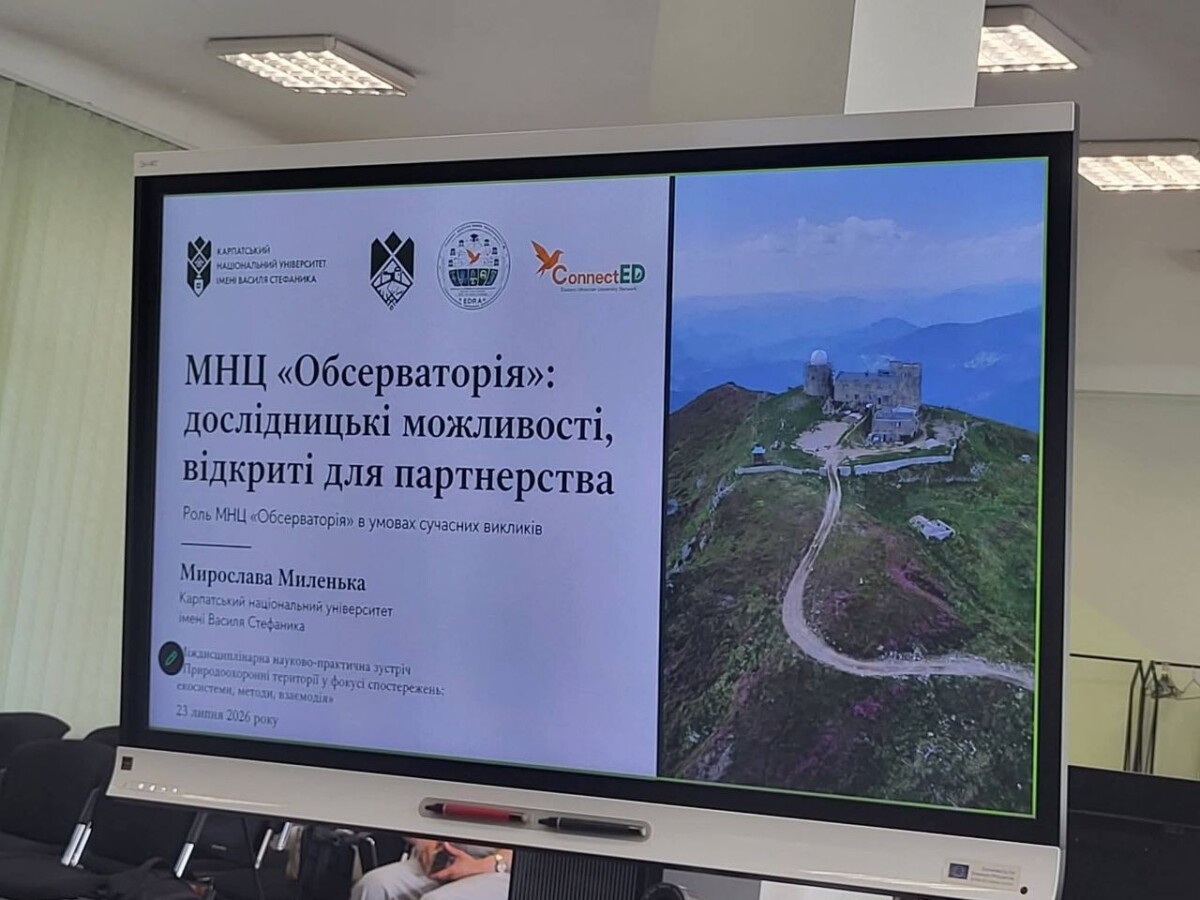
Professor Myroslava Mylenka, Director of the International Research Centre “Observatory” and Professor at the Department of Biology and Ecology, presented the Centre’s research infrastructure and opportunities for future collaboration. The Observatory was introduced not only as a high-mountain research station located on Mount Pip Ivan, but also as a multifunctional platform for long-term environmental monitoring, expert and advisory services, environmental education, the development of collaborative research projects, and the establishment of interdisciplinary research consortia.
Special attention was devoted to the prospect of establishing the International Research Centre “Observatory” as a regional hub for biodiversity and environmental monitoring. Such a platform could facilitate the systematisation and comparison of long-term observations collected by protected area institutions, support the preparation of regional analytical reports, foster joint scientific publications, and strengthen collaborative research proposals.
Participants also explored the research infrastructure of the Observatory and the University’s Shared Research Equipment Centre. Discussions focused on integrating field observations with laboratory analyses, validating monitoring data, and engaging interdisciplinary research teams in addressing practical conservation challenges.
During the moderated discussion, representatives of protected area institutions outlined the most pressing research needs within their territories, while university researchers presented methodological approaches, scientific equipment, and areas of expertise that could support future collaborative work.
The participants identified several priority areas for future cooperation, including integrated monitoring of climate change and ecosystem condition, biodiversity research, bioindication, studies of forest, freshwater, and wetland ecosystems, the application of geospatial and digital technologies, and the advancement of citizen science and environmental education.